Since I have started a "Land's End Season 2" campaign, I thought it would be a fun post to collect some of my favourite inspirations for the campaigns here.
Some of these informed the tone or atmosphere more generally, and others I stole from directly. See if you can guess which is which!
Clark Ashton Smith's Zothique cycle. Desolate wastes, corrupt wizards, a terrified populace, and Mordiggian!
You already knew it.
Dark Souls, the best console game ever.
Robert E. Howard's El Borak stories. Adventuring amongst savage tribes in the desolate regions of the world, discovering lost cities and vast hidden treasures.
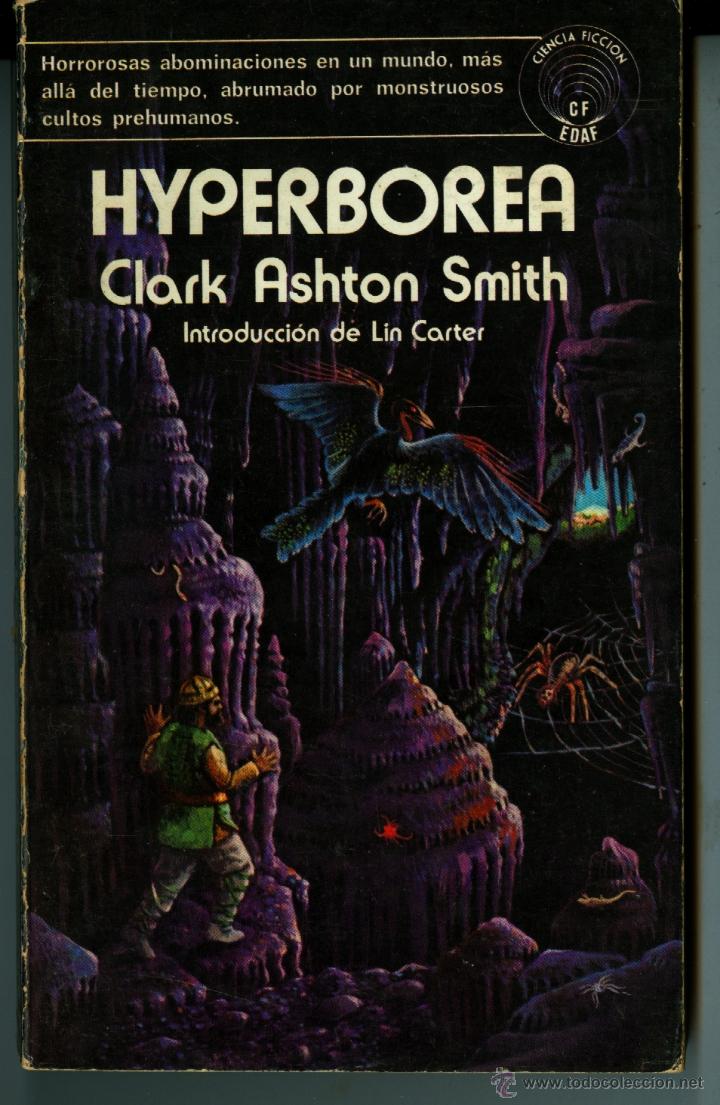
Clark Ashton Smith's Hyperborea cycle.
The old Dark Horse Indiana Jones comics, especially Fate of Atlantis. I was going to mention Raiders, but I already wrote a whole blog post about it a few years ago.
H. Rider Haggard's King Solomon's Mines. The original 'hidden valley' adventure site!
Myth: The Fallen Lords, by Bungie. Dark fantasy wargame that rips off the Black Company extensively.
Daggerfall, the best Elder Scrolls game. Crude, buggy, dark, mysterious, with a charm all its own.
Jason and the Argonauts film (1963). Man those outfits were boss.
Journey to the Center of the Earth, by Jules Verne.
Also: the Wilderlands, everyone's gaming blogs, the SRD, and a giant stack of reference works!
I can't really believe it myself, but Lovecraft doesn't actually get a mention. Land's End is much more pulpy and action-packed, it doesn't really have any sense of horror. There are some gross Lovecraftian monsters but the Chthulhu mythos doesn't even really make sense in the setting, except for a few veiled references.
I was thinking about Dungeon Crawl: Stone Soup again. I am getting tendonitis or something in my right arm, so to retain my ability to play guitar as best as possible I don't really use a mouse anymore. I can type if I'm careful but I have to take breaks all the time. So computer games are right out the window (just when I was getting into Morrowind!), can't really do artwork for my band's albums on the computer, I hardly even look at Facebook (thank god!!), stuff like that. But I remember a clever mechanic DC:SS (and I assume other roguelikes) had to offset the gross difficulty and no-save-games hardcore-mode lethality, and I think it would be a great thing to port over into D&D, especially in a wilderness hexcrawl or any kind of sandbox game where the PCs will be encountering the unknown and the weird, monsters that nobody has seen before, stuff like that.
It's a simple mechanic - you can 'examine' monsters to get a bunch of information about them. The part I'm concerned with is 'it looks harmless' or 'it looks extremely dangerous'. Now in ToME (one of the best roguelikes ever, I LOVE that game), they get a little more flowery with it, like "a lump rises in your throat as you contemplate your doom"... We don't have to get that crazy. And I'm not concerned with the other stuff like "it's resistant to poison" or "it's intelligent." My PCs will still have to figure that shit out and take notes like everyone else. But when you're playing in a game with no orcs, the goblins are six different colours, and there are Moss Hogs and Star Grools and Sublunary Men and Randomly Esoterically Generated Creatures and fuck-all knows what else... This could be a great way to clue your players in. Think about the lich's fear aura, and stretch it all the way down in a continuum to that 1/3 CR giant rat.
Tell the players if they feel scared of it or not. How confident are they that they could take this thing? Add it in to the weird monster description. Spice it up a bit! Your players can't make decisions without having useful information to act upon. This also sets up another great Gygaxian screw-job: get your players used to being told roughly how tough a monster is, then throw one in that is really weak but terrifying, or (even worse) a wienery-looking little monster who is absurdly dangerous. ***** A digression: it's total insanity that fighters don't have the ability to size up their opponents anyway - or at least I've never heard anyone mention it. Some real people who have never killed anyone can estimate the difficulty of fighting an opponent in hand-to-hand in the modern day. Imagine how good even a 1st level fighter should be at this, having snuffed out many sentient lives at the point of a sword? Maybe we reflect this by giving some class-based details from time to time. Tell the fighter "yeah, he doesn't seem that strong, you can take him." Or the wizard gets "his eldritch aura is so strong it blinds you!" Of course this could be modified by level and other factors (skill checks, if you have those). ***** This is part of assuming the characters are good at their jobs, and I don't want to get into a huge conversation about it, because some characters are lame scrubs and that's a whole game you can play too, if you want.
Had a fun-filled trip to Toronto last weekend; my head still feels like it's in a vise. I guess even I need to sleep sometimes. Took me a while to pare this down to a decent idea:
*****
Some of my roommates are playing Skyrim right now, so I tried it out. I haven't played an Elder Scrolls game since Daggerfall (in 2002 that game was already ancient history. Dear God!!). I remember having fun back then joining the fighter and mage guilds, crawling through dungeons, and contending with the god awful FPS sword fighting controls.
So I made a mean-looking orc with no plan beyond using heavy armour and big weapons, joining the Champions, just being a good-guy fighter clanking about which seemed to be what the game was hoping for.
It didn't work out that way. First it was the lycanthropy, but soon enough I was waging war for Malacath, backstabbing for Molag Bal and committing human sacrifice for Boethiah. I joined the Dark Brotherhood and slew beggar and emperor alike for hard cash. Now I prowl the countryside for friendly innocents whose souls can feed my Ebony Blade (it's basically Stormbringer, and gets more powerful when it kills allies & friends). Turns out, the bad dudes of Skyrim have the best quests and the hottest gear!
BEND THE KNEE, MORTAL.
*****
Everybody knows Elric, he is the classic good guy taking quests from an evil patron, and it works beautifully. Sticking to the simple law/chaos alignment axis of Moorcock and leaving questions of good and evil up to the hero's own conscience (you guys remember having one of those?) lets this work so well, and is why I always love simple L/N/C alignment in my home games.
Because alignment is ridiculous - your belief system/personality/morality is also a set of super-physical laws that bind what you can do and how magic works on you, etc? Let's see a game with the protection from secular humanist spell. Actually I would play that, but it's not the point. When some of my gamer pals and I get drunk, alignment becomes the subject of argument so often it's a running joke.
The best solution I have is to differentiate between the 'moral compass' portion and the 'cosmic allegiance/supernatural laws' portion. Alignment covers your cosmic affiliation in my game, and will change your religious options, magic items, some spells, and certain social interactions. In this way it's more like a 'cosmic vibration' than anything else.
It will *not* prescribe which actions your character is allowed to take. Soooo you can be a Lawful piece of garbage (check out most LotFP material for lots of these guys), a Chaotic good guy like Elric, or anything in between. If you don't care about the gods or unearthly forces, or don't want to participate you can be neutral.
So Skyrim had me thinking: what about PCs who say 'fuck it' and sign up for an evil cult to get fabulous cash & prizes?
*****
In Dark Souls (my personal fave of course), you can battle your way through a crypt rammed with skeletons, wherein a coffin can be climbed into, taking you to their boss - Gravelord Nito - who promptly offers to sign you up for his covenant and give you a magic sword so you can fight other players online in his name! This doesn't give you any protection against his skeletons though, because everything in the game is trying to kill you. This feels weird, but makes sense in the game's milieu.
Sign me up!!!
I've spent a fair bit of time outlining the deranged cultists that hunger to crack the PCs' skulls open and feast on their very brains. I suppose what makes this idea cool in Dark Souls is what makes it difficult at the table though. A friendly (albeit hideous) face in the middle of the dungeon who is part of a normally dangerous faction, but is nonhostile. Usually, my players would expect to chop their way through a horde of foul monsters to encounter a boss, oversized beast or evil mastermind of some kind.
To get there only to find a job offer is a bit of mental whiplash. Let's brainstorm:
WAYS TO SIGN UP WITH THE FORCES OF CHAOS
Divine Concealment:
Maybe the god you think you worship is actually... something far worse. Could be the god you started with, or one you just stumbled across, and like an idiot started hanging out at their lost and forgotten altar.
Desperation:
Remember in Saga of the Swamp Thing when Arcane appeared to Matt Cable as a fly and saved him from that car accident by possessing him? (Holy crap, I just remembered how great Swamp Thing was). This is great if your PCs get in over their heads, as mine do quite often. Instead of a TPK or some other catastrophe, they get stuck with a new patron who wants some harsh tasks accomplished!
Information:
This is another perennial favourite around my place, as the dudes relentlessly interrogate everybody until they can't say any more. Just let it be known that you have information they want - all they have to do is sign on the dotted line. Intel on their enemies, maps of the area, advice on the future, this is basically what Contact Other Plane is for.
Greed:
Especially with XP-for-treasure, my newfangled ultra-expensive jackass equipment lists and magic items being exceptionally rare, signing up with Arioch might be the only way to get the swag you need.
Compulsion: Being Dominated to do the Elder God's task might be cool in limited doses or over the short term, but who plays D&D to get bossed around? Make sure there is a way out, and/or prepare for your PCs to try and whack the entity that just Geased them, unless they get paid real well.
Supplies/Healing/Equipment:
Setting up the sinister cult as a dungeon or wilderness trading post forces the PCs to at least make nice if they want healing, rest and a place to resupply. This is basically how Dark Souls does it, since all the covenants give some kind of cool swag, a store to shop at or something else. Maybe that deadly new Chaos-tinted weapon you swing around is doing something to your... chakras... though?
Plot-related purpose:
This ties in with Information and others. Maybe there is a dungeon entrance in some forgotten corner of the cult's HQ (I mean, they could just fight through...). Maybe if we rise through the ranks, they'll give us a key that unlocks that damned door we cant get past! (This is straight from Dark Souls, where you need to rank up with the Chaos Servant covenant and a certain door to save Solaire in the end).
Hearing voices:
In Skyrim it happens the same most every time, you just walk up to an impressive-looking statue and hear the Daedra's voice in your head. I find this pretty heavy-handed, not to mention it doesn't really fit for Azathoth to do shit like that. Maybe for more small-time spirits or godlings.
Curses:
Using the great forbidden tome rules from Realms of Crawling Chaos, you might get more than you bargained for when you dig into that sweet new spellbook. Spontaneous alignment change being the least of it!
Mutation:
Remember that huge mutation table a few posts back? PCs who accumulate more of those will find their alignment inexorably turning towards Chaos.
*****
I'll add more as I think of them, but this post has gone on long enough. In the meantime, remember to DIE!!!!
My weakness for roguelikes rears its ugly head again!
Check out this madness. I have been playing it on and off for a few years, and finally achieved a 3-rune victory a few months back with a troll berserker who worshipped Jivya, the god of slimes (I know right?!). I have 28 dead characters to show for it.
For life.
Some of the monsters in Crawl are too good not to stat up for my game. Luckily, the wiki has info for quite a few of them, making adaptation easy. I just looked up the Crawl stats for monsters D&D already had numbers for until I got a base of comparison: goblins, skeletons, orcs, giants, trolls, dragons and many other Crawl monsters already exist in D&D. The monsters that don't, though, are some pretty neat stuff.
Based on perusing the stat blocks, it seems like hit dice run high at the top end in Crawl with things like Pandemonium Lords and the most powerful demons (this is to be expected, as characters go up to level 27), while the low-level monsters are on par most of the time. AC is a bit tougher to port directly, since Crawl separates it from EV (evasion) and SH (shielding), but mostly it looks like Labyrinth Lord AC is in the ballpark of Crawl's AC+EV.
Watch out for the mermen.
So here are Labyrinth Lord stats for a few of the cool and weird monsters that I'm using from DCSS. I don't use the classic demon/devil split, I'm mean the term 'demon' much more broadly to refer to any monsters from a real crap dimension.
NEQOXEC
"A weirdly shaped demon, pulsing and shifting with mutagenic energies, its belly distended with the devoured brains of its victims."
No 1, AL C, Mv 120’ (40’), AC 16, HD 6, Att 1d6, Sv Dwarf, ML 10, HC XIV, XP 1070
Human-sized. Standard demon/outsider immunities. Vulnerable to silver/holy weapons.
Malmutate: One victim in line of sight. Save vs. Petrification or gain one random mutation. Roll on whatever chart strikes your fancy, I am working one up right now that I'll try to post later on.
Brain Feed: One victim in 80' (line of sight is not necessary, but the Nequoxec must be aware of its target). Save vs. spells or lose 1d3 points of intelligence. Restoration or similar magic will heal this, or regain 1d6 lost points when gaining a level.
Summon Minor Demon: Summons 1-3 low-ranking demons under the Neqoxec's control. Imps, quasits, pick anything of 1-2 HD from your own list.
I have never fought the Neqoxec in Crawl, they hang out in Pandemonium and a few other places I've never been. Don't screw around with these guys, the Malmutate ability will take your adventuring career down a dark turn real fast.
CHAOS SPAWN
"A being of pure chaos, its form is constantly shifting, growing and then losing eyes, mouths, claws and tentacles. It corrupts everything it touches."
No 1-3, AL C, Mv 120’ (40’), AC 18, HD 6, Att 1d10, Sv Dwarf, ML 12, HC -, XP 820
Ogre-sized. Standard demon/outsider immunities. Vulnerable to silver/holy weapons.
Chaos Touch: All their melee attacks roll randomly for damage type (fire, cold, acid, whatever exists in your game) and an additional wild magic or random spell effect. I suppose I'll have to whip some tables together if I want to use these guys.
Chaos Dust: When destroyed the chaos spawn will explode into clouds of dust and smoke (2d10' radius) as their essence diffuses. Anyone stepping into this cloud or breathing in its vapours is affected as if by the chaos spawn's melee attack (roll on the same chart).
These guys crop up in the Abyss and other places. I will probably just use them as summoned monsters, or maybe as the results of wizardly tampering.
SOUL EATER
This demon looks like a malignantly shifting shadow gliding through the air. It radiates an intense aura of negative force.
No 1, AL C, Mv Walk/Fly 120’ (40’), AC 20, HD 9, Att 1d10, Sv Dwarf, ML 12, HC XIV, XP 2400
Human-sized. Standard demon/outsider immunities. Vulnerable to holy weapons.
Life Drain: The soul eater can gaze at a group of enemies in a 60 degree cone. All victims in line of sight take 1d10 damage as their bodies are withered and blighted, healing the soul eater for half the total damage dealt. Save vs. breath weapon for half.
Experience Drain: The soul eater's melee attacks suppress the victim's spirit, making them weaker, slower and stupider. XP lost equal to damage dealt x100. Keep track of this damage, and it will gradually heal as the character gains experience again: every two points of XP gained will heal 1 point of XP damage from the soul eater.
A slightly nicer version of classic level-drain. Maybe I might put this on some wights too, and then just strew them around everywhere?
DEMONIC CRAWLER
A hellish insectoid creature with a long and bloated body, supported by dozens of short jointed legs and topped with an almost human head.
No 1-4, AL C, Mv 150’ (50’), AC 16, HD 7, Att 1d6x3, Sv Dwarf, ML 10, HC XIII, XP 440
16'+ long. Standard demon/outsider immunities. Vulnerable to holy weapons.
Just a big mean ugly millipede-man thing.
EXECUTIONER, aka BLADE WHEEL
A horribly powerful and swift demon, its shape obscured by a cloud of swirling scythe-like blades.
No 1, AL C, Mv 240’ (80’), AC 21, HD 10, Att 1d10/1d6x2, Sv Dwarf, ML 12, HC X, XP 2400
Ogre-sized. Standard demon/outsider immunities. Vulnerable to holy weapons.
Pain Ray: A single enemy within line of sight takes 1d12 damage as waves of agony wrack their body. Automatically hits, no save.
Speed Wheel: Self only. Move 50% faster and 1 extra attack per round. Lasts for 10 rounds.
If Dark Souls taught me anything, it's that spinning things are always terrible.
*****
Some of these guys are really tough, I would be careful when I throw them at my players. A few I toned down from the Crawl version, just because they seem fun and I want to use them more often. And this is just a few monsters from ONE region of the game! There are plenty more (terrifying demons) to adapt, which I'll do in future posts.
Now jam this next time your PCs are getting MUTATED:
So I was at work the other day doing a routine and boring task, and my mind was wandering. I was moping around about the hideous and depraved life I live, when I had an inspiration: I decided to try thinking about D&D instead to cheer myself up. Almost instantly I felt better, and I began wrestling with a somewhat knotty problem: how to reconcile all the aesthetic elements of my setting?
After seeing my inestimable comrade N. Manscorpion's beginning work on his own megadungeon, I was forced to conclude that my setting is too fractured. I can hold his whole setting, in terms of look and feel and vibe, in my mind all at once. I can't say the same for my own. Depending on where I turn it's grim black metal album covers and beheadings, or faeries with pointy hats sitting on toadstools conversing with guys in platemail and fair maidens. There's nothing wrong with having both in your game, but I really want something that I can visualize in its entirety. It helps with making decisions if I can instantly say "this fits, that doesn't."
False Patrick has written about the difficulties of D&Ding in Arthurian England before (I have read this article a million times). I am sidestepping some of these concerns by placing my game in a "slightly more realistic" era, after the Roman occupation ended (somewhere in the late 400s/early 500s). I will be adding in anachronistic elements because it's not D&D without some of those (plate mail is still available, but insanely expensive and hard to find), but there is no renaissance fair, shining castles, bards in tights stuff going on. It's closer to Middenmurk (actually I will be shamelessly using 80% of that page in my game) than Camelot as it's usually depicted.
Even so, we have King Arthur, magic swords, ladies of the lake, wizards in towers, goblins, dwarves, pixies, griffons and giants. How do I reconcile those with the fact that, a mere 50 feet underground, you can do battle with horrors from beyond the stars? Why don't those guys run the whole world? More importantly, why doesn't anybody talk about them, and what would life be like if they did?
So there I was at work, doing something boring, when I flashed on it:
Final Fantasy Tactics.
For those who don't know, Final Fantasy Tactics was a classic Playstation game that succeeded the obscure gem Tactics Ogre, which itself was a sequel to one of the greatest goddamn games ever made: Ogre Battle: March of the Black Queen (if you have some spare time and like strategy games, all three of these are highly recommended).
Anyway, I remember the storyline of FFT being really political (boring). The general thrust is that the main character, Ramza, leads a group of scruffy cadets to stop a world-destroying bad guy, you get the idea, regular stuff. While his childhood friend Delita commands the army, marries the princess, becomes king, and goes down in the history books as the hero of the Lion War, Ramza (whose eyes the player sees the story through) fights in utter obscurity. One of his comrades' diaries is discovered generations later and "the true story of the Lion War can be told."
This is an easy one to translate! As long as those rugose cones, goatmen, and brain-eating jellyfish never venture above ground to threaten our existence in public, nobody knows or talks about them. The characters can fight, die and (maybe) win, gain experience, get rich and have cool adventures in the otherworldly hells of Annwn, but they won't ever get famous for it.
To get a reputation, they have to do things outdoors in the open. Winning wars, slaying big classic monsters (ogres, giants, griffons, etc), bringing bandits to justice, fighting in tournaments, paying bards to sing songs about them and the like. This makes me think that instead of rolling "Wyvern" on the wilderness encounter table, it should be "The Winged Terror of Whatevershire." Something that relates to the social world where the PCs live, in a way that dungeon encounters don't.
Only Warhammer Fantasy has the pictures I need.
The fun thing about thinking along these lines is: if nobody talks about it, who's to say Arthur's knights didn't all gain their early levels in dungeons too? Lancelot can fight 30 men at once because after "Wargoat Fight Club" in a pool of boiling acid, everything else gets the volume turned down. Maybe he wanders the kingdoms alone "on quests" so often because he has fucking PTSD from his experiences, not to mention all the friends and comrades that he must have seen die down there?
I had been thinking about using a sanity or horror system of some kind to represent the otherworldly terrors that the PCs will come in contact with, but haven't settled on anything good. The fear aura of some dragons or powerful undead is a good start, but I wonder if some kind of permanent 'mental scarring' can be made to work. I have no qualms about characters being permanently changed (in ways other than dying, HA!) from their trips to the dungeon, and I like the idea of going underground a wet-behind-the-ears 1st level pissant, and coming out rich, powerful and geared-up but with a 1000-yard stare, a few missing fingers, and no pancreas. Beedo's article on the subject from back in the day seems like too much for me: the PCs will be throwing down with hideous horrors a lot, and not everything they see should blast their minds. Nevertheless it's something that I'd like to bring into play somehow, especially as it relates to the "secret dungeon war." (I have also been thinking about player character mutations, but that really just requires a giant random table and a few failed saves.)
Forever alone.
Maybe all the "evil knights" are such dicks because once they got deep into the dungeon, they saw that not only is Jesus not the supreme deity, not even in the top three, but we live in an amoral mechanistic universe? Maybe Sir Meleagaunce went into the dungeon with Alignment: L on his character sheet, and came out C? Maybe he decided if he couldn't beat the eldritch horrors, he could still cut a deal? Maybe under his helmet he isn't entirely human? He can't look like the full-on Warhammer chaos knights, because then we may as well just play Warhammer and it makes things too obvious. Maybe just a weird mole or birthmark, a gross scar, something that sets him apart as weird or unnatural that you wouldn't necessarily see or notice.
It's also worth noting that this is pretty close to what happens to Solaire of Astora in Dark Souls, so it's right where I want to be tonally.
Maybe the reason Arthur is so perfect and good and has the best judgement and stands apart as kind of inhuman in his reasonableness and fairness (White touches on this in The Once and Future King) is that he gained all his levels at once from pulling the sword out of the stone, and he never had to go into a dungeon and watch his friends die and his dreams get slaughtered for a few gold pieces more. Sure he wages bloody wars against the Saxons, but everybody does that anyway. What makes the rest of the round table knights such good guys, and how do they rise up from being scruffy adventurers to the leading moral figures of the age? Lots of different ways. Some had prophecies going in their favour, some just grew up fighting wolves in the snow and never had to breathe in radioactive mists while the Cthulhu Cult stabs them with hot pokers, and some just made all their saving throws. As a wise friend of mine once said: "Being the good guy just means waking up better than everybody else."
*****
Anyway, this has been a productive piece of musing, but now I have to go redo all my encounter tables and double the square footage of level 1. Play this the next time you need a bit of pagan pessimism in your game:
Okay. I was thinking about this classic PSX game "Nightmare Creatures" the other day. This is a beast from said game that used to punk me pretty hard when I played it, and it fits in perfectly with an idea I had for the Spoils of Annwn:
THAMES MONSTER
This is usually as far as I got.
No. Appearing: 1 Alignment: C Move: swim 60' (20') Armour Class: 17 Hit Dice: 8+ Attacks: 5 Damage: 1d6x4/1d10 Save: Dwarf Morale: 10 Hoard Class: XIX Experience: 1560+
One of the many varieties of fiends that haunt the ruins of Londinium, the Thames Monsters make travelling by boat in the area a risky proposition. Lairing in any water deep enough to hide in, they have polluted the rivers of that cursed city with salt and slime.
Nobody has seen the entire body of one of these beasts. The only parts that rise above the water are a giant serpentine head with a gaping toothy maw, and four long tentacles that pull victims in to be devoured. Normally the head is about the size of a human torso, and the tentacles can stretch about 50'. Larger varieties of these monsters do exist, though. The giant that lives in the Thames itself (15 HD) and is the namesake of its smaller cousins is rumoured to have tentacles snaking hundreds of feet down the streets near the river, feeling for prey.
The Thames Monster waits for prey to come close, and then reaches its tentacles out to seize it. Victims may not even see its head until it's too late! It can attack up to five times per round: four with tentacles and one bite if any being is close enough to eat. NOTE: grappling sucks. We all know this. What I would do is just have a tentacle pull the victim 10' towards the monster's mouth on a successful attack. If you are feeling especially merciful, or the particular Thames Monster is a weak or small one, maybe the tentacle deals damage OR it pulls its victim closer, but not both. The tentacles have the same AC as the Thames Monster itself, and will be crippled/severed if they take damage equal to 1/4 of the monster's total HP. If all its tentacles are damaged and it doesn't have anyone in range to bite, it will retreat beneath the water. If it isn't killed, its tentacles will re-grow at the rate of one every 1d6 days.
Like other unintelligent fiends from the outer reaches of existence, the Thames Monster is indifferent to treasure. The undigested parts of its victims, along with the cargo of boats it has sunk, will litter the muck of the riverbed all around it. In addition to its listed Hoard Class, you might want to add some equipment from dead travellers/adventurers: mildly chewed suits of armour, weapons, magic items, whatever. More victims would lie on the riverbed beneath bigger Thames Monsters.
WOLFBATS
Last night I discovered that He-Man is on Netflix. Digging deep into that bottomless pit of lunacy revealed these, just as I was looking for more ways to punish players for even showing up to game day:
You IDIOTS!
No. Encountered: 1d20 (1d100)
Alignment: N
Movement: fly 150' (50')
Armor Class: 14
Hit Dice: 1d3 hp
Attacks: 1
Damage: 1d4
Save: Fighter
Morale: 7
XP: 7
Similar to garden-variety bats, except with the slavering heads of wolves. You heard right. From a distance they sound indistinguishable from a huge wolf pack, which should be properly disconcerting to any adventuring party (especially in the dungeon). With their vicious wolf-bite, the only reason we don't call them "Sir" is their cowardly nature.
When a battle is first joined, before any Wolfbat has been slain, they will swarm around their victims and try to distract and terrify them into fleeing or submitting (anyone in a swarm of 10+ wolfbats is at -2 to attack rolls and saves, and spellcasting is impossible) just like regular bats do in the Labyrinth Lord book. Except unlike regular bats, they follow this up by biting your face off. When one of their number has been slain, they make morale checks every round until they fly away in fear. Thus it's tough to eliminate a pack of these things completely. Keep track of how many Wolfbats are left, and the same number will come back if you roll them on the encounter table again on the same dungeon level.
Now play this monster jam the next time your players feel the slimy tug of a tentacle around the ankle:
I'm talking about one of the coolest, most fun and most brutal video games out there: Dark Souls. I'm surprised I haven't seen too many RPG gamers talk about this one, as it is certainly old-school enough. Here are a few D&Dable things this game does that most other video games completely fail to do:
COME TO THE MANTICORE FIGHT
1 - The world is fucking dangerous / no hand-holding
Dying is a thing in DS that happens a LOT. Giant poison lakes, pit traps, basilisks, enemies that roll barrels down the stairs, blind corner ambushes, pitch dark levels and all kinds of other sneaky tricks await. Enemies are not rated for your level, or divided into discrete areas of a certain difficulty. Almost all the enemies are bigger, faster, stronger and scarier than you.
Instructions are minimal. What happens when I use a bonfire? What can I spend my souls on? How does parrying work? Which weapons are good? How do I use magic? Where should I go next?? All these questions and more await your own solutions. The game doesn't belabour the point with endless tutorials, a great big quest arrow floating overhead or anything else. Here's the world: go. See what's out there. Try stuff. Have fun. Make mistakes. Figure it out.
2 - Not everyone is hostile / things aren't as they seem
No big deal, it's the first boss!
Just like any campaign setting, you need a few NPCs to sell you things and dish up a few rumours. They're found in the most unlikely places in Dark Souls. Those gross infected egg carrier guys? Nice fellows mostly - too busy praying to attack you. The spider ladies? Well... one of them is nice. Meanwhile, the normalhumans are some of the worst shits in the game, betraying at every opportunity, abandoning their comrades, dying in shame or kicking you into a pit.
3 - Fights are like puzzles / learn from your mistakes
Once you figure out how an enemy fights, how it "thinks," things get much easier. Boss fights especially are about trying new combinations, different weapons and spells until something works. Sometimes you need to move fast, just wear some short-shorts and run around real quick. Other times you need to gear up and stomp around in the heaviest armour you have. Maybe you can climb up a wall and jump down on a bosses head, or use a special weapon they are vulnerable to. D&D is the same - learning how the monsters fight and what the best strategies are takes place over the lives of multiple PCs, as your characters get wiped out by bigger and stronger enemies until you've gone toe-to-toe with the whole Monster Manual.
4 - The world fits together
On left, see the parapet where dude above is being chased.
There is a video here of a guy looking at the collision data for the ENTIRE map of the game. It all fits together as one piece. You can walk from one end of Lordran to the other and from top to bottom. If you're looking around and see an interesting area, you will be able to walk to it - that's the actual level you're looking at over there, not just a background picture! This is great because the world makes sense. By the time you get to Lost Izalith, you've been staring at it from a distance at several different points and can't wait to see what the fuck is inside.
I don't think this can be emphasized enough. It's key to how the game plays, especially as you unlock shortcuts to speed up your travel through the world. Backtracking happens a lot. Because enemies re-appear constantly, the world never stops being dangerous. Knowing how to get to your destination with a minimum of risk is important, and there are almost always multiple routes to take. In other words, the kingdom of Lordran is well Jacquayed.
5 - Actions have consequences
Whoops! Did you kill one of the merchants by accident? Tough shit. The game autosaves, so you can't just go back to a previous save if you missed some of his gear. Did you let that psycho killer out of his jail cell? Or maybe you said the wrong thing to somebody, and now they hate you? The game might be harder, but it wasn't picking on you - it let you make that decision yourself.
6 - Choose your level of involvement, or: it's all about how ballsy you wanna play it
Did I mention this is the first level?
If you like, you can sit around and grind monsters for XP until your character is way over-leveled and has all the best stuff. Or you can beat the game at level 1 if you want the sense of accomplishment and the cred. It's easy to wander into areas much too tough for your level - and
it's even possible to win through if you're good enough. This fact alone takes the game into the realm of good D&D thinking. The world is there, waiting for you - take it on however you want.
7 - Look under every rock & take anything not nailed down
Sometimes it's hard to figure out where you should go next. The entrances to some levels are hidden away, and the world is so big and open that it's easy to forget where you've been and where you planned to explore later. The blacksmiths who upgrade your equipment are easy to miss, the best treasure is always hidden somewhere, and even paths required to finish the game are off to the side where you might not think of looking. Sometimes you need to backtrack to places you thought were closed off, because they have since changed. There is no automapping feature.
That's the whole idea! You have to try everything, go everywhere and talk to everyone or you'll miss some key points. This is the kind of approach I want to see when I run D&D: players engaging with the game world and taking an interest because it's the best way to surviveand thrive.
That's an iron golem all right.
8 - Challenge your assumptions
You will hear a lot of people (including me) say Dark Souls is tough as fuck, it's impossibly hard, it will break all your controllers and eat your kids. I am in no way a man of quick reflexes or much speed on the controller - I'm useless at Street Fighter-type games, and if you want to play Counterstrike I'll be hovering around 0 kills & 20 deaths, just fodder for guys with steady hands and decent eyesight. I have stuck to turn-based RPG and strategy games to avoid this humiliation.
Why are they all so BIG?
So why do I like Dark Souls? Although it is hard, it's not as bad as everyone makes it out to be - it just works differently than most games. Sort of like dropping a group of Type IV players into The Grinding Gear. Sure it might be trying to kill you, but your undoing is sealed by assuming things about the game and world that aren't true. Once you know what's out there, new strategies are adopted and you can begin to thrive. I mean, basically what I'm trying to say is this.
None of this even covers the setting, story, scenery, multiplayer (a whole article in itself) or NPCs and monsters you'll meet. The more I think about Dark Souls, the more I think about great megadungeon stuff that I want to play in.
PS: To have a few laughs with (and at the expense of) a guy playing the game for the first time, go here.
This is an old file of musings that I've cleaned up for posting. These are some of the things I reference and ponder when I'm writing up material for my Land's End game, and which provided the initial seeds of its creation.
The Elder Scrolls: Daggerfall
This is the only Elder Scrolls game I ever played extensively until my roommate bought Skyrim. An unbelievably big wilderness; a completely optional main quest; huge randomly generated dungeons; a gonzo character-generator and a creepy soundtrack. I reinstalled this game a few weeks ago so that I could get some screen-captures for a forthcoming post about how much better it is than all subsequent Elder Scrolls games (with diagrams).
Surrounded by lava, fighting a demon... Classic.
Exile: Escape From The Pit
This game provided the seed of inspiration for the campaign. For various reasons, the characters have been exiled from the rigorous, oppressive, strictly Lawful empire where no variety is allowed. They arrive in the land of Exile, an underground cave kingdom and have all kinds of adventures against the Sliths, the cat-people called Nephilim and the demon overlord Grah-Hoth. Classic turn-based CRPG from 1995, this is almost as retro as it gets and you can find it here.
Arx Fatalis
This game was fun as hell, back in 2004 or so. You're just dropped bare-ass naked into a big underground world (megadungeon), annnnd go! It's got a cowardly goblin king, dumb trolls, all kinds of stuff. The vibe of this game was just inspiring. I wonder if my shitty laptop could run it?
Myth: The Fallen Lords
My previous thoughts on this game here. The soundtrack of this game slays, and the monsters are great. I think the undead are the best ever. This game exudes vibe from every pore, it's tough and unforgiving. Time to man up and charge them zombies!
All those blogs listed on the side of this page!
Obviously.
1 - What is the deal with my cleric's religion?
You're a priest of the 137 gods of the Empire, although you can just pick one if you want (and make it up, since I will never detail them all). It's state-mandated! Later it may be possible to convert to a different god.
2 - Where can we go to buy standard equipment?
The general stores in Land's End have a general selection of weapons/armor/gear, and a few more rare things can be bought from the travelling merchants that come through town.
3 - Where can we go to get platemail custom fitted for this monster I just befriended?
You'd have to travel to the interior of the empire to get custom armor. The local blacksmith, if he's even good enough to do it, would charge an arm and a leg.
4 - Who is the mightiest wizard in the land?
There aren't any wizards in Land's End (it's a shit town). The mightiest one beyond The Barrier... who knows?
5 - Who is the greatest warrior in the land?
In Land's End, it's likely the Guard Captain of the town, who is perhaps a Level 2 Fighter. In the wastes, the greatest human warrior that anyone's heard of is Mullerigern, a bandit king with a 1500 GP bounty on his head.
6 - Who is the richest person in the land?
The richest person in Land's End is the Innkeeper, Kiros.
7 - Where can we go to get some magical healing?
Father Harkwood at the church of the 137 gods in Land's End will heal you - for a small fee.
8 - Where can we go to get cures for the following conditions: poison, disease, curse, level drain, lycanthropy, polymorph, death, undeath?
Father Harkwood of the 137 gods will cure: disease, curses, small ability drains. It'll cost you though. A druid (maybe living out in the wilderness) could cure poison. Death, Undeath, polymorph, stoning, permanent level drain and other tough ailments might just be incurable.
9 - Is there a magic guild my MU belongs to or that I can join in order to get more spells?
Nope. Magic is rare and wizards don't congregate or share their secrets, unless they're working for the man (which you ain't).
10- Where can I find an alchemist, sage or other expert NPC?
The church of land's end has an alchemist/sage living in the tower who can do a bit of research for the party, and sell them non-magical 'alchemical' potions at high prices.
11- Where can I hire mercenaries?
To go over the cliffs? You gotta be kidding!
12- Is there any place on the map where swords are illegal, magic is outlawed or any other notable hassles from Johnny Law?
Anywhere further inside the Empire, people start to frown on carrying weapons openly (what could you possibly need THAT for?), and magic-users are either ostracized or are co-opted by the state.
13- Which way to the nearest tavern?
The Crown and Thistle sits right in the centre of Land's End, across from the church.
14- What monsters are terrorizing the countryside sufficiently that if I kill them I will become famous?
There aren't any that 'terrorize' the countryside, but if you kill a monster of legend (werewolf, dragon, hydra, giant ant, etc) and bring its pelt/head back to town, that could make you famous. Occasionally there are wolves on the plateau, but it's rare.
15- Are there any wars brewing I could go fight?
Not yet.
16- How about gladiatorial arenas complete with hard-won glory and fabulous cash prizes?
Maybe in another civilization distantly across the wastelands, that's never met the Empire.
17- Are there any secret societies with sinister agendas I could join and/or fight?
There are some nameless monster cults in the wilderness, if you're into frog-cannibalism.
18- What is there to eat around here?
Regular inland medieval stuff: Bread, stew, cows, root vegetables, boiled things, oatmeal, beer, etc.
19- Any legendary lost treasures I could be looking for?
For one, there's the lost idol of the 137 gods that Father Harkwood will pay 250 GP for (there is a sign on the town notice board to this effect).
20- Where is the nearest dragon or other monster with Type H treasure?
Somewhere in the wilderness. You'll know it when you see it, unless it sees you first.
OK, I had this long, pissed-off and kind of boring rant written, but I deleted it and wrote this instead.
I've been playing Temple of Elemental Evil for PC recently and barring a few irritating bugs I'm having a great time with it. One of the dudes in my Friday night Warhammer Fantasy RP group recommended it to me, saying it was the best D&D computer game he'd ever played. I wouldn't go that far (I'm all about Planescape: Torment) but I'll give it 2nd place with confidence.
What initially bothered me was my Paladin character. I had a long rant written about the bizarre morality and 'paladin code' of the game, but what it boiled down to was this:
Anyone evil basically gets told to fuck off and I can't interact with them, but it's OK to kill them without a conversation. I thought it was odd that I can kick in the door and kill everyone I see with no 'Paladin Code' violation, but if I accept a quest from one Evil Temple leader to kill another Evil Temple leader, I'm now Fallen. It's not as if I was going to leave any of them alive anyway. I know, I know: it's in the Paladin code! But it didn't make much sense at the time.
This bugged me until yesterday when I was reading Chretien de Troyes and of course remembered that the Paladin class is rooted in chivalric legend. In the stories of Arthur's knights some of these idiosyncratic traits exist. Brutal battles are fought against evil, but nobody considers trickery, strategy, divide-and-conquer tactics or the like except in extreme cases. Siding with one evil man to destroy another is unheard of; a knight simply runs through the first evil man before moving on to the next.
This is combined with the traits most lacking in most D&D paladins: politeness & courtesy. Even the most evil knight is treated with mercy until he has proved several times over to be unrepentant, and finally might lose his head (in De Troyes' version, Meleagaunt duels with Lancelot three times and imprisons him by trickery before Lancelot will finish the job). Most villains are allowed to say their piece and argue with the knight before they decide to do battle. These traits don't combine well with a group of various roguish dungeoncrawlers looking over their shoulders for gelatinous cubes while scooping treasure into a sack, so the result (the D&D Paladin) is a fusion of differing genre expectations, history, myth and pragmatism that can stumble in practise.
Too cool to be a PC.
"I say you sooth, said the damosel, for ye were this day the best knight of the world, but who should say so now, he should be a liar, for there is now one better than ye, and well it is proved by the adventures of the sword whereto ye durst not set to your hand; and that is the change and leaving of your name. Wherefore I make unto you a remembrance, that ye shall not ween from henceforth that ye be the best knight of the world. As touching unto that, said Launcelot, I know well I was never the best. Yes, said the damosel, that were ye, and are yet, of any sinful man of the world." -Sir Thomas Malory, Le Morte D'Arthur
This reading and thinking on Paladins in the Arthurian canon gave me another idea. In any one knight's story, barring a few exceptions he is the best, strongest, toughest of all knights he meets in his travels. During Tristram's tale he beats all comers except Lancelot and when it's Lancelot's turn in the spotlight he can't lose. The stories are structured so the better knights come later in the saga and each can have his spotlight as the best while his story is told (Arthurian power creep!).
This fits in well with the harsh ability requirements for Paladinhood in 2nd edition D&D: Str 12, Con 9, Wis 13, Cha 17. Back in my 2nd ed days, I don't remember anyone playing a paladin over almost 10 years. Even with 4d6 drop the lowest and arrange as desired, what kind of fool frontliner puts a 17 into his *charisma*? One who wants a certain flavour of class, obviously, but no one I knew rolled rich enough stats to gamble survivability like that.
The Arthurian term for Paladin is "The Best Knight In The World," but it amounts to the same thing. A man endowed with strength, skill at arms, grace, beauty, chivalry, chastity, mercy, piety, all the virtues of knighthood. Only with his death or fall from grace can another knight assume Paladinhood.
In other words, there can only be one Paladin in the world at a time. Sir Lancelot is The Paladin for most of the Arthur stories, but his adulterious relationship with Guenevere causes his Fall, and opens the spot up to his perfect son Galahad (in the Malory version, Galahad is taken to heaven by Joseph of Arimathea before he can get old and lose his edge like Elvis). Lancelot can still beat most of the other knights, but he's just a very good Fighter from then on and everyone knows it. He fails to reach the Holy Grail and can't stop Mordred from tearing the Kingdom apart.
I don't know if this idea will fit into my Pathfinder game - the players get upset if they see something in the book and they can't have it. I like to indulge them in this, like a loving parent indulges their simpleminded child, so denying Paladins as unique in the setting won't work in that game.
However, I'm working on a fun one-shot for my Friday group which I hope to develop into an ongoing game - and there will definitely be only one Paladin at a time in this world.
It got me thinking about last month, when my brother Tim came to visit for a week and we rolled him up a cleric for my Pathfinder game at home. Within the first few minutes of his introduction, I saw that his methods of play were drastically different from my regular group. He drilled me for background information on the setting, and I had some prepared but I really had to be quick on my feet to build up the details of the Empire the PCs all lived in. Before his character even had equipment!
Now Tim and I grew up together, obviously, and had the same formative experiences in the hobby. What I didn't realize is how much difference it makes. While the 'hunt-the-pixel' gameplay of the old Sierra adventure games has been mentioned (and sure, that aspect wasn't very good), I think those very same games trained my brother and I to play D&D the way we do.
A few examples:
-my regular players (there are three), upon arrival in the tiny frontier town where my game is based, did not bother with anything except the blacksmith and the inn. With equipment on and rooms paid for, they headed out into the wilds. Following an old treasure map, they fought a few randoms, went past a waterfall and finally reached the ruined fort (the evening's dungeon).
-Tim scoured the town for clues: he entered the barracks for an interview with the guard-captain (finding the town notice board in the process); went inside the church to see the town's records and pump the clergy for info; wandered around outside town speaking with every peasant and farmer he could find; and finally checked into the tavern for the night. He woke up the next day, did it all again, and THEN headed into the wilderness. While traveling through the forest, he peered (no one else bothered) into the waterfall, tried to climb behind it, took his armour off and swam down into the pool at the bottom! I never said anything about the waterfall, it's just there! It's there because there is a river and a cliff and waterfalls are what happens when you combine them.
But this is what Tim and I learned from those Sierra adventure games: look everywhere, try everything, talk with everyone, take anything not nailed down. That's how you gather information and how you solve puzzles, and I think D&D is the same. Didn't stick your hand into the dirty water at the bottom of the old fountain? Well you missed a few coins, and maybe some other cool thing. Even when I had to ask my dad for help in those games (I was pretty young at the time), the solutions made sense when they were shown to me. You need salt water? Well, Valanice starts crying every time she looks at that memento of her lost daughter Rosetta... get it?
Yes, sometimes this devolves into hunt-the-pixel bullshit, which everyone hates. But it doesn't have to. If you do your homework and the DM (or game designer) is playing fair, you'll have at least an idea of how to tackle any given puzzle, because you're learning about the game world and its logic all the time. And that key you picked up 3 adventures back? Well, it just might unlock that big adamantine vault...